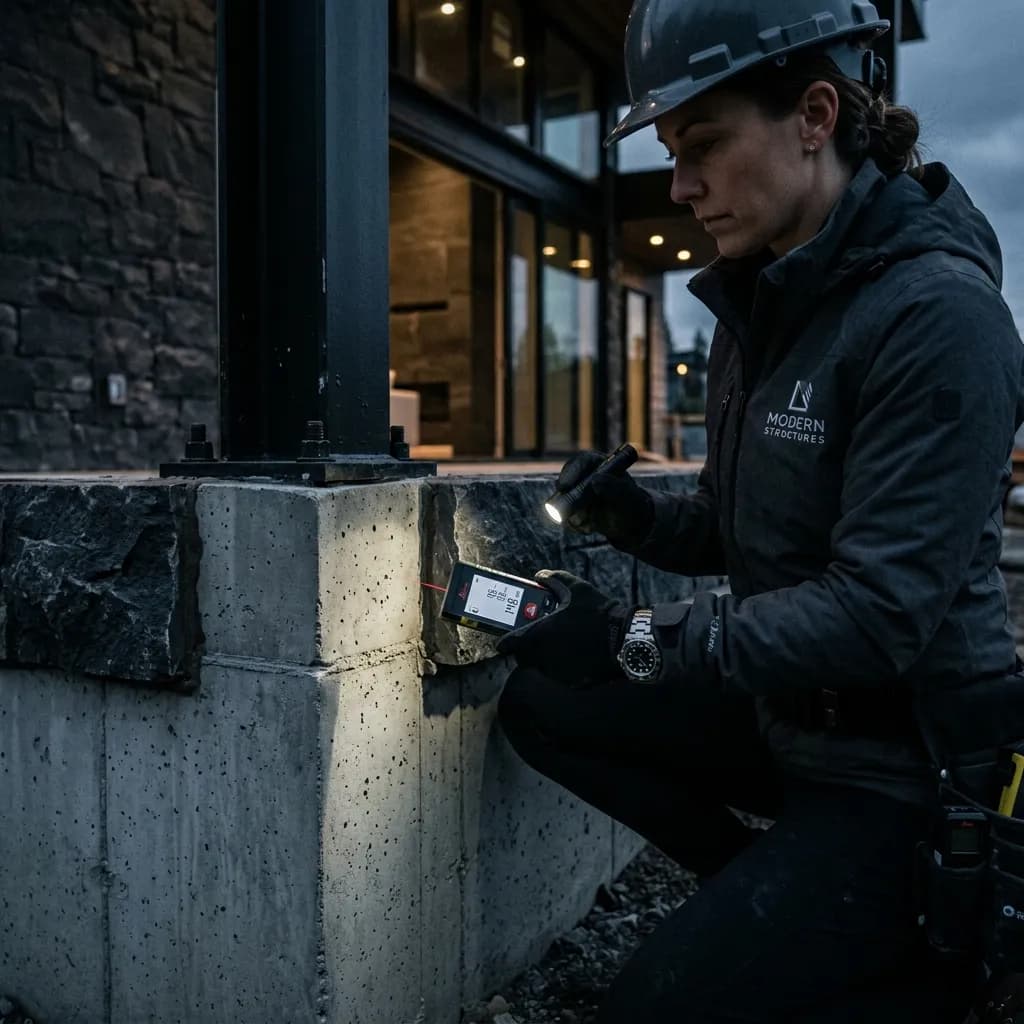
Home inspections are the most critical due-diligence step in any real estate transaction, yet many buyers treat them as a formality rather than the forensic analysis they should be. As someone with a background in both real estate and property analysis, I can tell you that understanding what inspectors look for — and what they might miss — can save you tens of thousands of dollars and years of headaches after closing.
Foundation and Structural Integrity
In Houston, foundation issues are the number one concern for any property built on our region's expansive clay soil. Inspectors look for diagonal cracks above door frames, gaps between walls and ceilings, doors that stick or won't latch, and uneven floors. A standard inspection includes a visual foundation assessment, but for Houston properties, we strongly recommend a separate structural engineer evaluation ($350–$500) — especially for homes built before 2000 or any property showing signs of differential settlement.
Electrical Systems
Inspectors evaluate the main electrical panel, circuit breakers, GFCI protection in wet areas, proper grounding, and the overall condition of visible wiring. Red flags include Federal Pacific or Zinsco panels (known fire hazards), aluminum wiring in homes built between 1965–1973, double-tapped breakers, and any evidence of unpermitted electrical work. Houston's building codes have evolved significantly, and older homes may have systems that were code-compliant when installed but now present safety concerns.
Plumbing and Water Intrusion
Houston's humidity and occasional flooding make water intrusion a persistent concern. Inspectors check supply lines, drain systems, water heater condition, and water pressure. They also look for evidence of past moisture damage — staining on ceilings and walls, musty odors, warped flooring, and signs of mold. Polybutylene piping (common in Houston homes built between 1978–1995) is a significant red flag, as these pipes are prone to catastrophic failure and most insurance companies refuse to cover homes with active polybutylene systems.
A home inspection is not a pass/fail test — it's a comprehensive health assessment. Every property has issues; the question is whether those issues are manageable or deal-breaking.
Roofing and Exterior
Given Houston's exposure to severe weather, roof condition is paramount. Inspectors assess shingle condition, flashing integrity, gutter systems, soffit ventilation, and evidence of previous storm damage or repairs. Houston roofs typically last 15–25 years depending on material and weather exposure. If the roof is approaching end-of-life, factor $8,000–$15,000 for a standard replacement into your negotiation strategy.
The bottom line: attend your inspection personally, ask questions, and use the findings as a roadmap — not just for negotiations, but for understanding the true cost of homeownership for the specific property you're purchasing.
Ready to Take the Next Step?
Whether you're buying, selling, or investing, the Houston real estate market requires strategic expertise. Contact The Legacy Group today to schedule a private consultation and discover how we can help you achieve your real estate goals.